
What pelvic pain can feel like
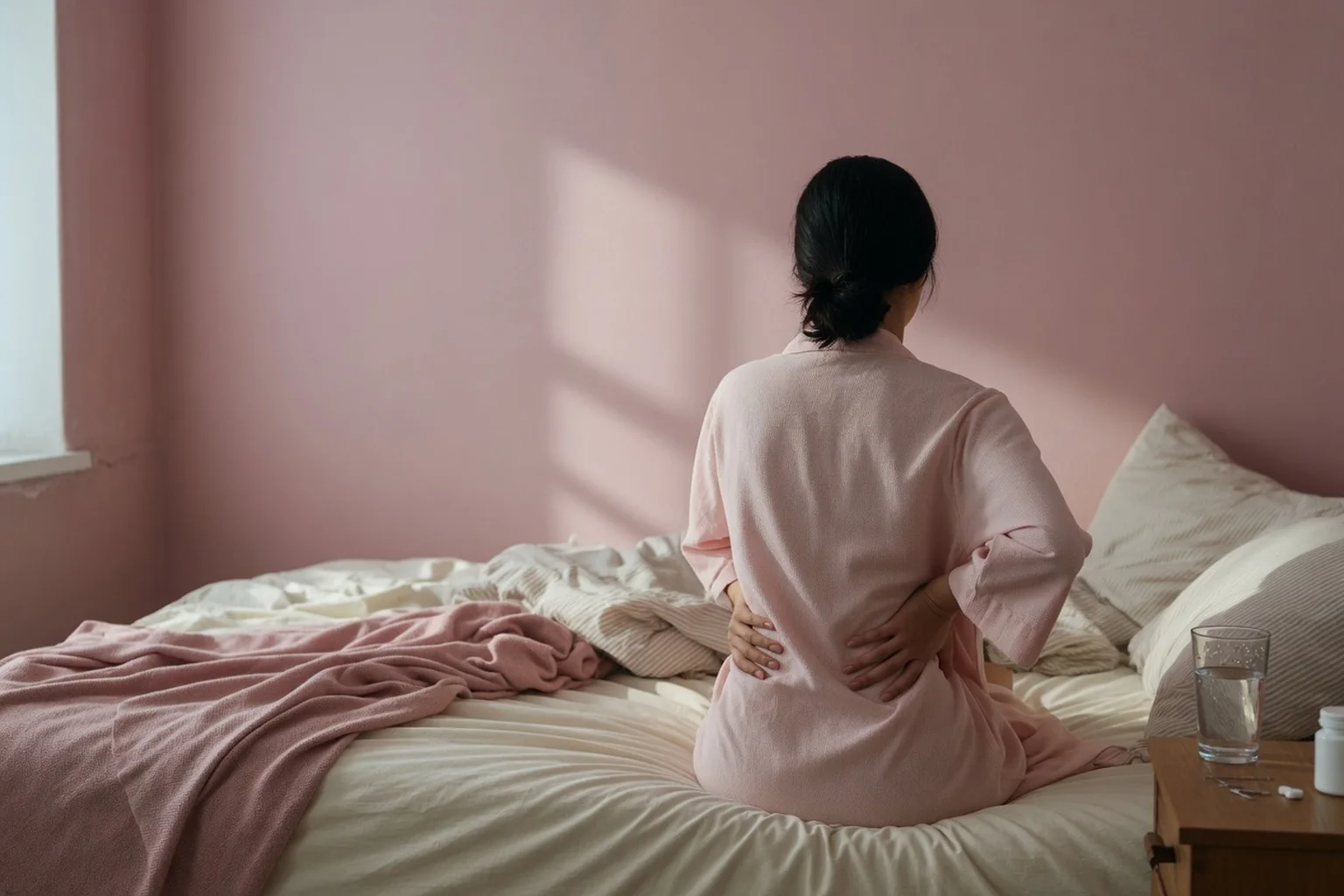
Pelvic pain is felt in the lower abdomen or pelvic area and may also involve the lower back. It can affect a small area or feel more widespread. It may begin suddenly, develop slowly, come and go, or continue for months.
The NHS describes pelvic pain as potentially sharp, stabbing, burning, dull, heavy, cramping, throbbing, or pressure-like. Pain may appear during activities such as exercise, sex, urination, or a bowel movement. These descriptions are useful tracking categories, but they do not identify the cause.
Pelvic pain has many possible causes
Endometriosis is one possible cause of pelvic pain, but pain can also relate to the bowel, bladder, urinary tract, reproductive organs, muscles, ligaments, nerves, infection, pregnancy, or another condition. More than one factor may be involved.
Do not use a pattern in an app to self-diagnose endometriosis or rule out another condition. A healthcare professional can decide which questions, examination, or tests are appropriate for your symptoms.
If you already have an endometriosis or adenomyosis diagnosis, the same log still helps. It shows whether this month is different from the last one, which is often what a follow-up visit is for.
Record the details a clinician may ask about
Start with when the pain began, how often it occurs, its intensity, and where it is located. Add whether it is steady or comes in waves, how long it lasts, what makes it better or worse, and whether it interrupts sleep, work, movement, sex, eating, urination, or bowel movements.
Also note bleeding, unusual discharge, bloating, nausea, fatigue, bowel or bladder changes, fever, and the possibility of pregnancy when relevant. These details can affect how urgently a symptom should be assessed.
- Date, start time, end time, and duration.
- Pain intensity from 0 to 10.
- Exact location and whether pain moves.
- Pain type in your own words.
- Cycle day, bleeding, and related symptoms.
- Medication taken and observed response.
- Effect on normal activities and sleep.
Compare pain with your cycle without assuming a cause
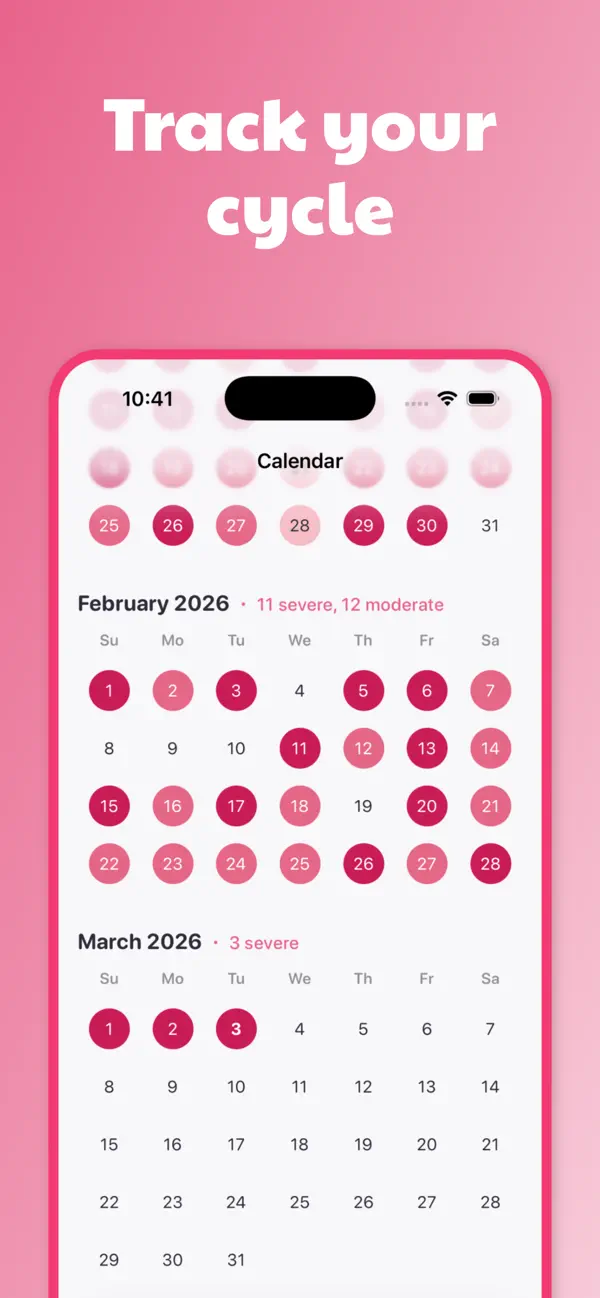
A color-coded calendar can help show whether difficult days cluster before, during, or after bleeding. Logging pain-free and lower-pain days gives the comparison more meaning.
A repeated cycle pattern is information to share, not a diagnosis. Endometriosis symptoms overlap with other conditions, and some people with endometriosis have symptoms at times unrelated to bleeding.
Prepare a short pelvic pain summary
Before a consultation, summarize the typical pain score, worst score, common locations, timing, associated symptoms, medication used, and the effect on daily life. Include what has changed and what you want help with.
Bring the concise summary and keep the full diary available if the clinician wants more detail. A structured report can support this conversation, but your medical history, examination, and clinical judgment remain essential.
When pelvic pain may need urgent help
Get urgent medical help for pelvic pain that is severe, getting worse, or painful when you move or touch the area, especially with fainting, dizziness, breathing difficulty, shoulder-tip pain, heavy vaginal bleeding, or confusion. Urgent advice may also be needed with fever, vomiting, difficulty urinating or having a bowel movement, blood in urine or stool, unusual vaginal bleeding or discharge, or possible pregnancy.
Emergency numbers and care pathways differ by country. Use the urgent-care service where you live. Do not wait to complete an entry or report before seeking help.
Sources and editorial note
This guide summarizes practical tracking information and does not provide medical advice. Health guidance was checked against the sources below on August 26, 2026.